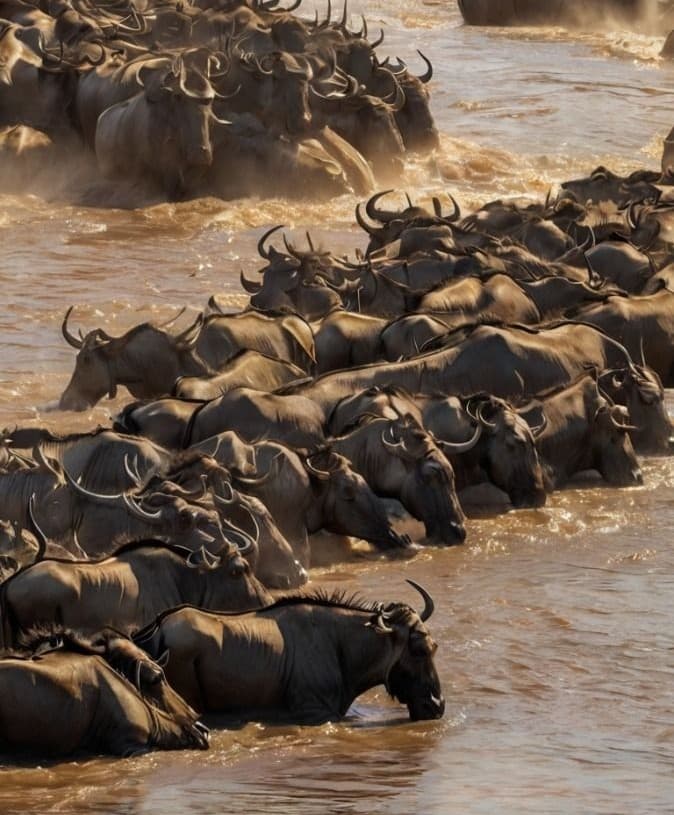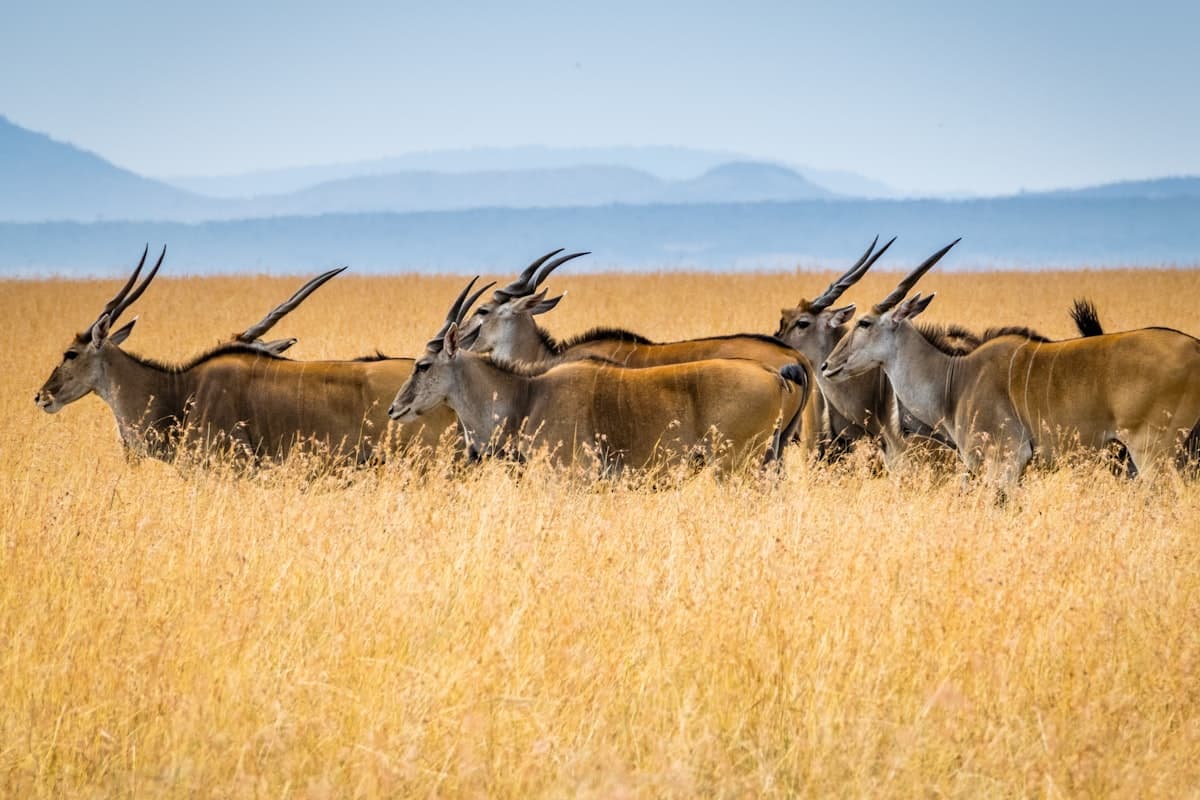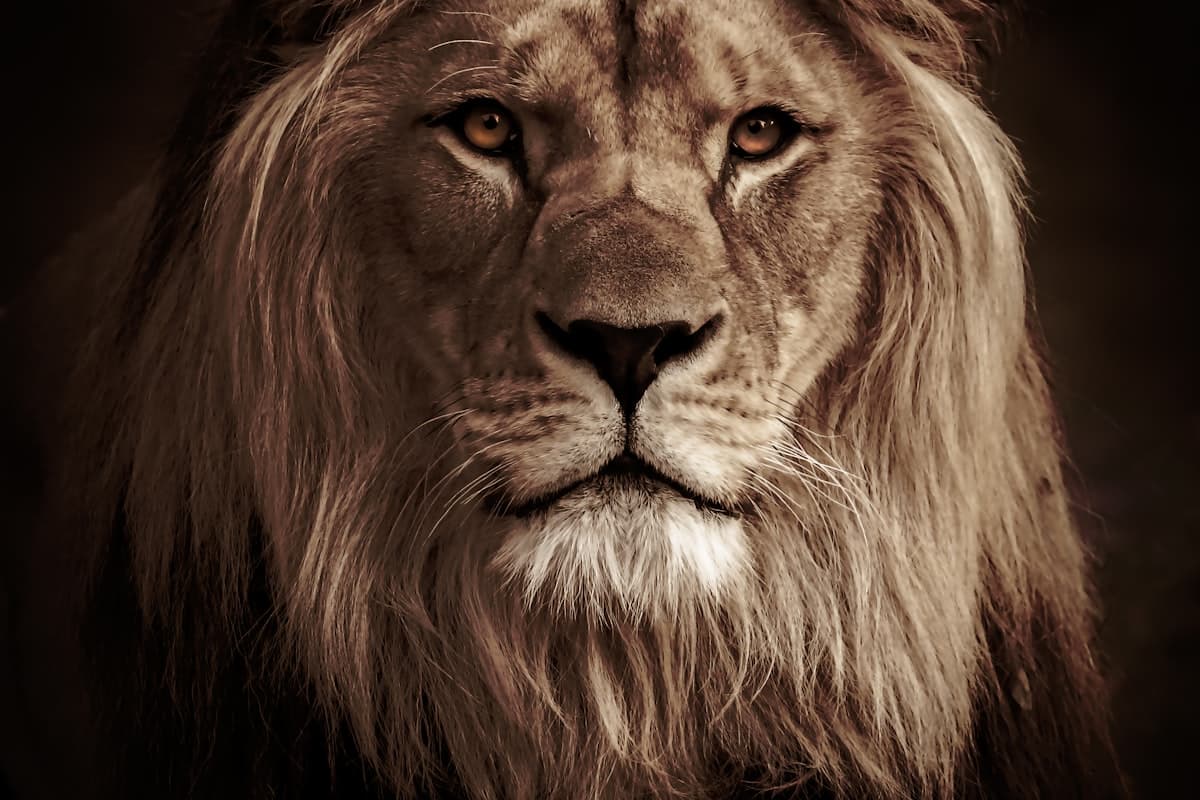
“The term 'Big Five' originated with big-game hunters who identified the five most difficult and dangerous animals to hunt on foot in Africa: lion, leopard, rhinoceros, elephant, and Cape buffalo. Today, these magnificent creatures represent the pinnacle of wildlife viewing, drawing millions of safari enthusiasts to Tanzania's pristine wilderness each year.”
Tanzania is one of the few countries where you can reliably spot all Big Five members in their natural habitat. With vast protected areas including Serengeti, Ngorongoro Crater, and Tarangire, the country offers unparalleled opportunities to witness these iconic animals thriving in ecosystems they've dominated for millennia.
Lion: King of the Serengeti
African lions are the most social of all big cats, living in prides of up to 30 individuals. Tanzania's Serengeti hosts approximately 3,000 lions, making it one of the best places on Earth to observe these apex predators.
Where to Find Them
Serengeti National Park (especially Seronera Valley), Ngorongoro Crater floor, Ndutu Plains during calving season
Best Viewing Times
Early morning (6-8 AM) and late afternoon (4-6 PM) when lions are most active. Look for them resting in shade during midday heat.
Behavior Insight: Male lions spend up to 20 hours a day resting to conserve energy. Females do 90% of the hunting, working together to take down prey much larger than themselves.
Elephant: Gentle Giants of Tarangire
African elephants are the world's largest land mammals, with bulls weighing up to 6 tons. Tanzania is home to approximately 43,000 elephants, with Tarangire National Park boasting the highest concentration anywhere.
Where to Find Them
Tarangire National Park (largest elephant population), Serengeti (migratory herds), Ruaha National Park
Best Viewing Times
Dry season (June-October) when elephants congregate around rivers. Tarangire River attracts thousands during drought periods.
Elephants display remarkable intelligence and emotional depth. They mourn their dead, recognize individual humans, and maintain complex social structures led by matriarchs who pass knowledge across generations.
Leopard: Elusive Masters of Disguise
Leopards are the most secretive of the Big Five, preferring solitary lives in dense vegetation. Their spotted coats provide perfect camouflage, making them challenging but rewarding to spot.
Where to Find Them
Serengeti (Serena area, Moru Kopjes), Ngorongoro Crater rim, Lake Manyara's groundwater forest
Best Viewing Times
Dawn and dusk when leopards hunt. Look for them draped over acacia branches during the day, often with cached prey.
Photography Tip: Leopards are nocturnal hunters. Use a telephoto lens (300mm+) and high ISO settings. Patience is key—spend time scanning trees and rocky outcrops.
🦏 Rhinoceros: Critically Endangered Treasure
Black rhinos are critically endangered, with fewer than 5,000 remaining in the wild. Tanzania's conservation efforts have helped stabilize populations, primarily within protected sanctuaries.
Where to Find Them
Ngorongoro Crater (best viewing), Serengeti (Moru Kopjes area), Mkomazi National Park (sanctuary)
Best Viewing Times
Early morning in Ngorongoro Crater when rhinos graze on open grasslands. Afternoon heat drives them to wallow in mud.
Seeing a black rhino is a rare privilege. These prehistoric-looking creatures have poor eyesight but excellent hearing and smell. Despite their fearsome appearance, they're generally shy and avoid confrontation unless threatened.
Cape Buffalo: The Unpredictable Powerhouse
Cape buffalo are considered the most dangerous of the Big Five to hunters due to their unpredictable nature and tendency to ambush when wounded. In safari vehicles, however, they're relatively safe to observe.
Where to Find Them
Everywhere! Serengeti plains, Ngorongoro Crater, Tarangire, Lake Manyara. Herds can number in the thousands.
Best Viewing Times
Year-round. Look for large herds grazing on short grasslands. Waterholes attract buffalo throughout the day.
Safety Note: Never approach buffalo on foot. They charge without warning and can reach speeds of 35 mph. Always maintain safe distance in vehicles.
Best Parks for Big Five Sightings
Ngorongoro Crater
Only place in Tanzania where you can reliably see all Big Five in a single day. Dense wildlife concentration in small area.
Best for: Rhinos, lions, complete Big Five
Serengeti National Park
Excellent for lions, elephants, and buffalo. Leopards common in specific areas. Rare rhino sightings.
Best for: Lions, leopards, migration context
Tarangire National Park
Outstanding for elephants and buffalo. Lions present but less common. No rhinos. Best during dry season.
Best for: Elephants, bird watching, baobabs
Essential Safety Guidelines
Big Five Encounter Safety Rules
- Always remain in your vehicle unless with armed ranger on walking safari
- Keep arms and head inside vehicle at all times
- Maintain minimum 20-meter distance from all Big Five animals
- Never feed wildlife—it alters natural behavior and creates danger
- Follow your guide's instructions immediately—they're trained professionals
- Avoid sudden movements or loud noises that might startle animals
- Don't stand up in open vehicles when predators are nearby
- Respect animal space—if an animal changes behavior, you're too close
Photography Mastery: Capturing the Big Five
Essential Gear
- Telephoto lens: 200-600mm for distant subjects
- Wide-angle lens: 16-35mm for environmental shots
- Sturdy tripod or monopod for stability
- Extra batteries (cold mornings drain them fast)
- Lens cleaning kit (dust is constant on safari)
Camera Settings
- Shutter speed: 1/1000s minimum for moving animals
- Aperture: f/5.6-f/8 for sharp subject isolation
- ISO: Auto ISO 400-3200 depending on light
- Focus mode: Continuous AF-C for moving subjects
- Burst mode: Capture action sequences
“The Big Five aren't just animals—they're ambassadors for African wilderness conservation. Every sighting reminds us why protecting these ecosystems matters for future generations.”
Experience the Big Five in Tanzania
Our expert guides know exactly where and when to find each member of the Big Five. Let us craft your ultimate wildlife encounter.
About the Author
Dr. Michael Okonkwo - Wildlife biologist and conservation expert with 20 years studying African megafauna. Lead researcher for Tanzania Wildlife Authority.